Pump Motor Sizing: Why the Duty-Point Calculation Is Only the First Line
A motor can look adequate at the rated duty and still overload when the operating point moves. This worked example separates hydraulic, shaft and electrical power.

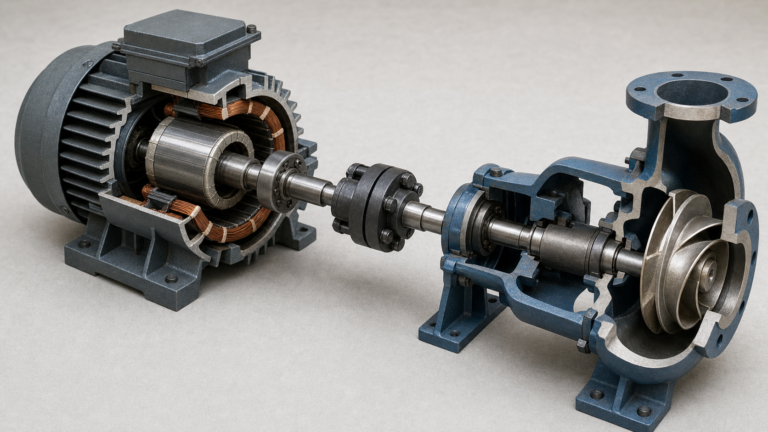
A motor can look adequate at the rated duty and still overload when the operating point moves. This worked example separates hydraulic, shaft and electrical power.
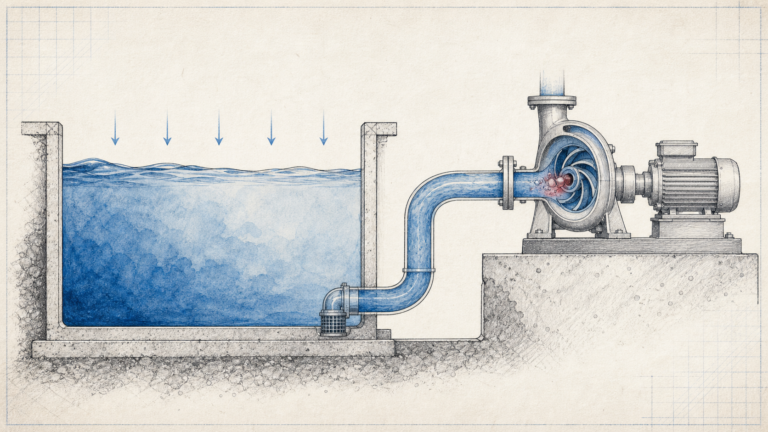
NPSHA is created by the system, while NPSHR belongs to the pump. This worked metric example shows how temperature, elevation and suction loss can erase an apparently comfortable margin.
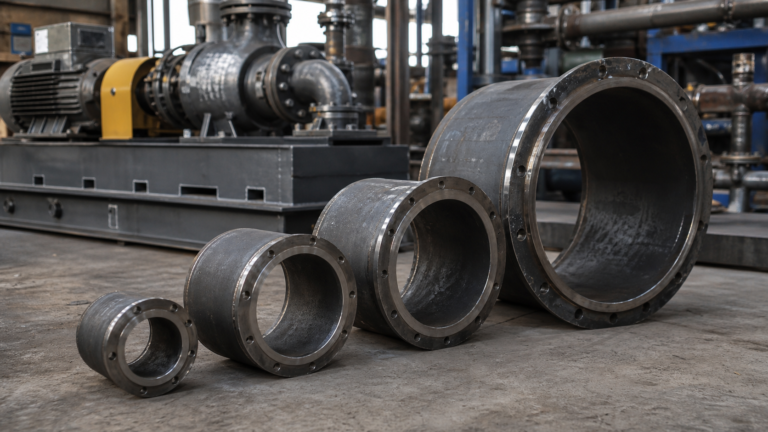
A smaller pipe costs less to buy, but its higher velocity and friction can require extra pump power for years. This worked example puts numbers on the trade-off.

Purchase price is visible once; wasted head appears on every electricity bill. This worked example shows how to compare pump options using operating data rather than price alone.

A pump curve contains more than flow and head. This worked example shows how to check the duty point, efficiency, shaft power, operating region and NPSH3 before approving a selection.
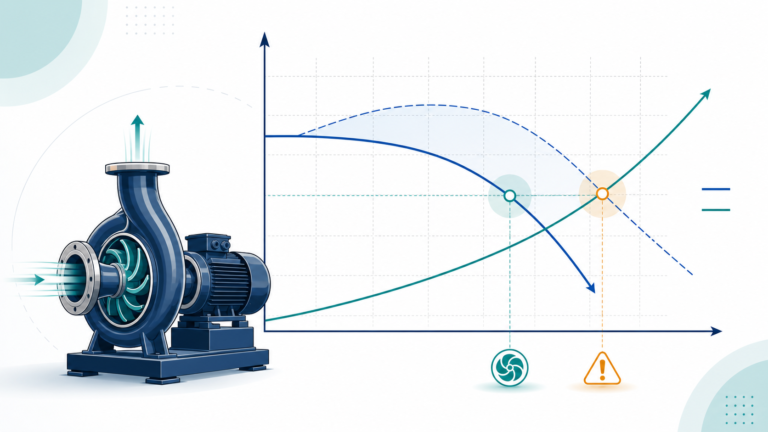
A reliable pump selection starts with the system, not the catalogue. This practical guide explains how to define the duty point and choose a pump that will operate efficiently without unnecessary oversizing.
Tell us about your application or pump requirements. Our team will reply with a suitable recommendation.